The Shortlist
8 Things We’d Always Buy Second-Hand (And 5 We’d Never Risk Buying Used)
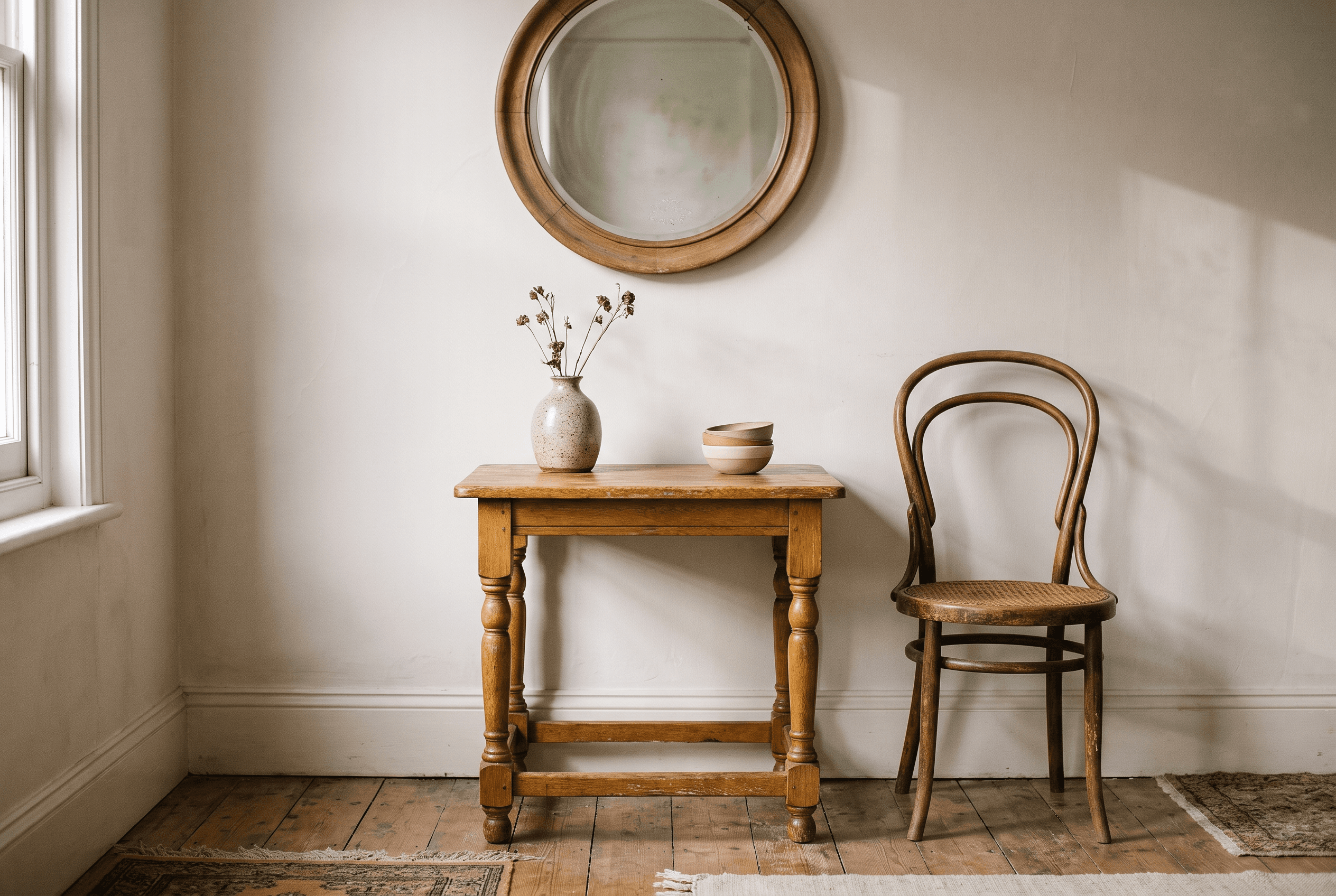
Buying second-hand used to feel like a compromise.
Now it feels like one of the smartest ways to shop.
Some items are genuinely better pre-owned: they're higher quality, less expensive, and often built to last longer than newer alternatives.
But not everything belongs on a thrift store shelf.
Here's how we decide what's worth buying used—and what we'd always buy new.
Always Buy Second-Hand
1. Solid Wood Furniture
One of the easiest wins.
Older furniture is often made from solid wood instead of particle board.
Look for:
- Oak.
- Walnut.
- Maple.
- Teak.
A little sanding or paint can completely transform it.
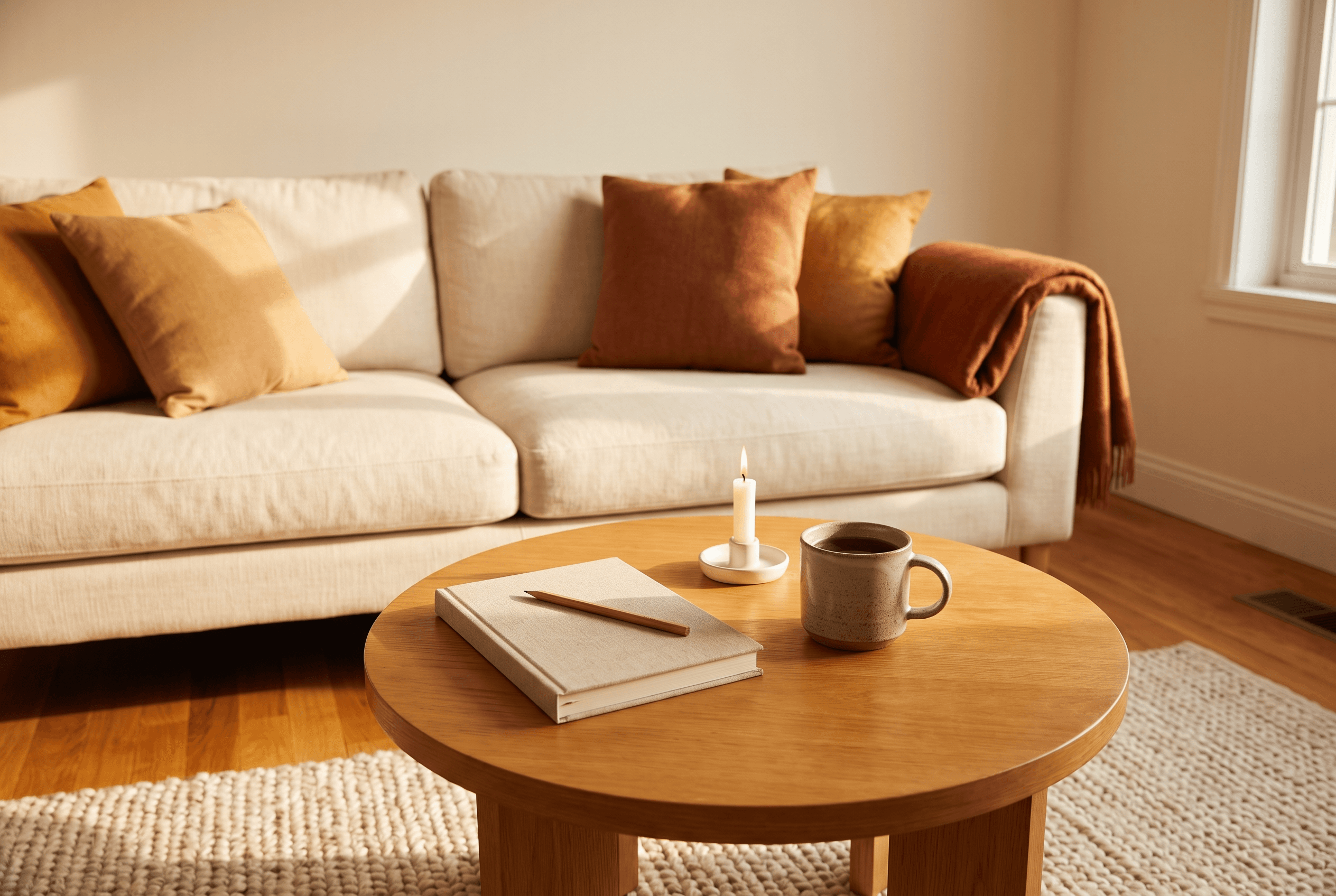
2. Coffee Tables & Side Tables
They're easy to clean. Easy to refinish. And dramatically cheaper second-hand.
3. Mirrors
Mirrors rarely wear out.
Large mirrors are often one of the biggest thrift-store bargains.
4. Books
Used books cost less and usually look just as good.
Bonus points for local bookstores and charity shops.
5. Ceramic Vases & Home Decor
Decor trends come back constantly.
Ceramics, trays, baskets, and candle holders are almost always worth buying second-hand.
6. Picture Frames
Frames are surprisingly expensive when bought new.
Thrift stores are full of quality wooden frames waiting for new artwork.
7. Vintage Kitchenware
- Glass bowls.
- Mixing bowls.
- Serving platters.
- Cast iron cookware.
Many older kitchen pieces are better made than modern versions.
8. Office Furniture
- Desks.
- Shelving.
- Storage cabinets.
Businesses often liquidate office furniture that's barely been used.
We’d Never Buy These Used
1. Pillows
Skip.
2. Mattresses
Always new.
3. Makeup
Never.
4. Skincare
Skip it, unless it's still factory-sealed.
5. Water Bottles
Buy new for hygiene.
How We Shop Second-Hand
The 24-Hour Rule
If we love something, we leave it in our cart or save it for a day.
If we still want it tomorrow, it's probably worth buying.
Check for Quality Before Price
Look for:
- Materials.
- Construction.
- Hardware.
- Weight.
Cheap isn't a bargain if it breaks.
The Best Places to Look
- Local thrift stores.
- Facebook Marketplace.
- Estate sales.
- Vintage markets.
- Charity shops.
Each has different strengths.
Editor’s Take
Buying second-hand isn't about buying less. It's about buying better.
Some of our favorite pieces at home cost less than lunch—and they'll probably outlast the furniture bought brand new.