Field Notes
The Everyday Things We Should All Have a System For
A system sounds like something businesses have.
Spreadsheets. Processes. Checklists. Standard operating procedures.
But most of us already have systems for everyday life. We just don't call them systems.
The way you grocery shop is a system. The way you pay bills is a system. The way you clean your home is a system.
The difference between a good system and a frustrating one is usually how much unnecessary thinking it requires.
The best everyday systems aren't complicated. They simply make recurring decisions easier.
Here are a few areas where having a simple default can make life run more smoothly.
Grocery Shopping
Walking into a grocery store without a plan is an easy way to buy too much of the wrong thing.
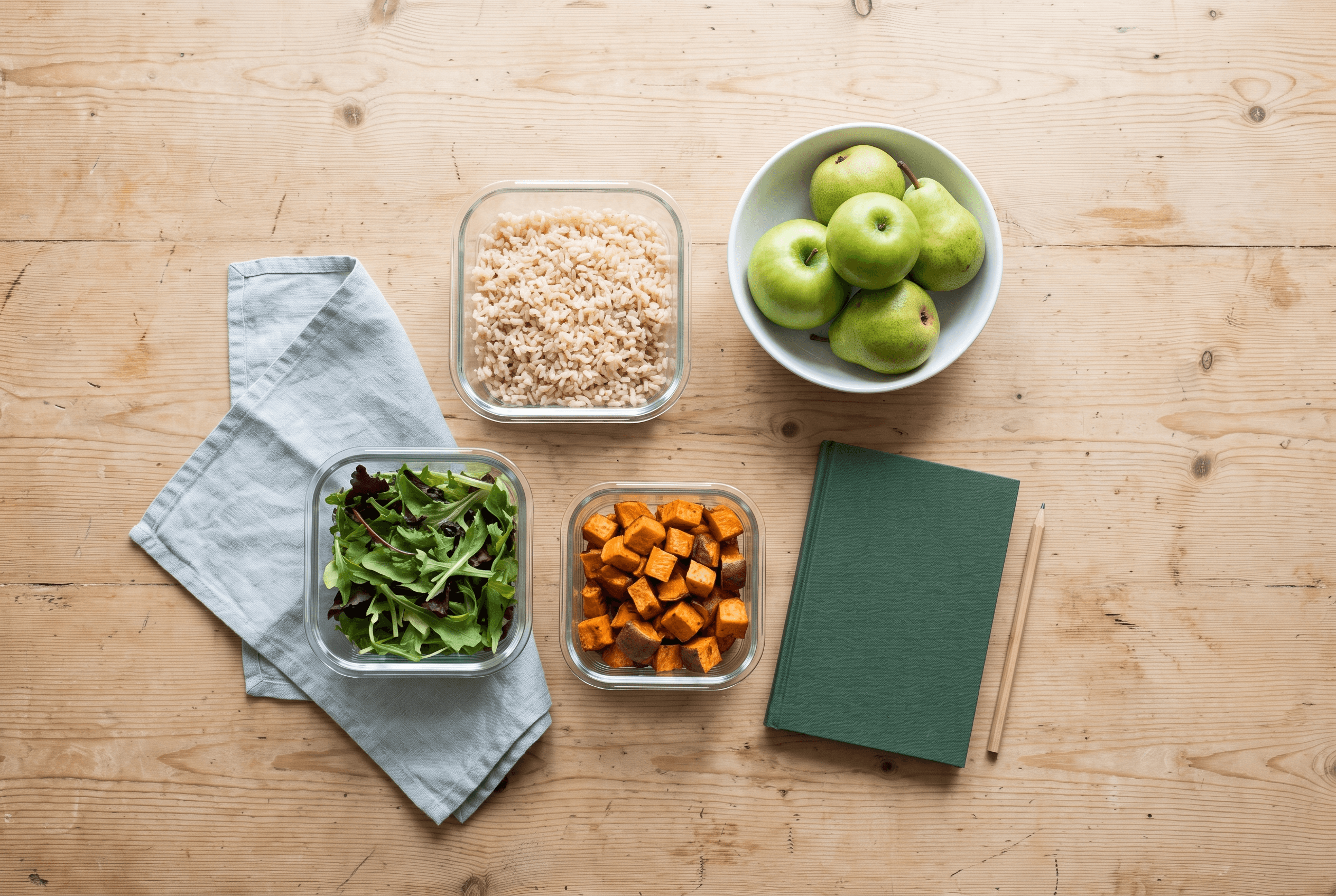
A simple grocery system could be as basic as keeping a running list throughout the week and doing one main shopping trip.
You can also create a short list of meals you regularly make and rotate between them.
The goal isn't to meal-plan every minute of every day. It's to avoid having to reinvent dinner every night.
Household Cleaning
Cleaning becomes much easier when it isn't treated as one enormous weekend project.
Instead, divide recurring tasks into smaller categories.
Some things need attention every day. Others can happen weekly. Some only need to happen occasionally.
Once you've decided what belongs where, the routine becomes less dependent on motivation.
Bills and Subscriptions
Financial administration is another area where a simple system helps.
Keep recurring bills in one place. Know when they are due. Review subscriptions periodically. And avoid relying entirely on memory.
The more predictable your recurring expenses are, the easier it becomes to notice when something changes.
Important Documents
Birth certificates, insurance information, warranties, tax documents, receipts and other important paperwork can become difficult to find precisely when you need them.
A simple digital folder structure can solve much of this.
The exact organization doesn't matter as much as consistency.
The rule can be simple:
If you don't know where a document belongs, you don't have a system yet.
Digital Photos
Most people have thousands of photos and very little organization.
You don't necessarily need to sort every image you've ever taken.
Instead, start with the photos that matter most.
Create albums for major trips, events, family occasions, or other categories you actually return to.
The goal is not perfect organization. It's being able to find important memories when you want them.
Clothing
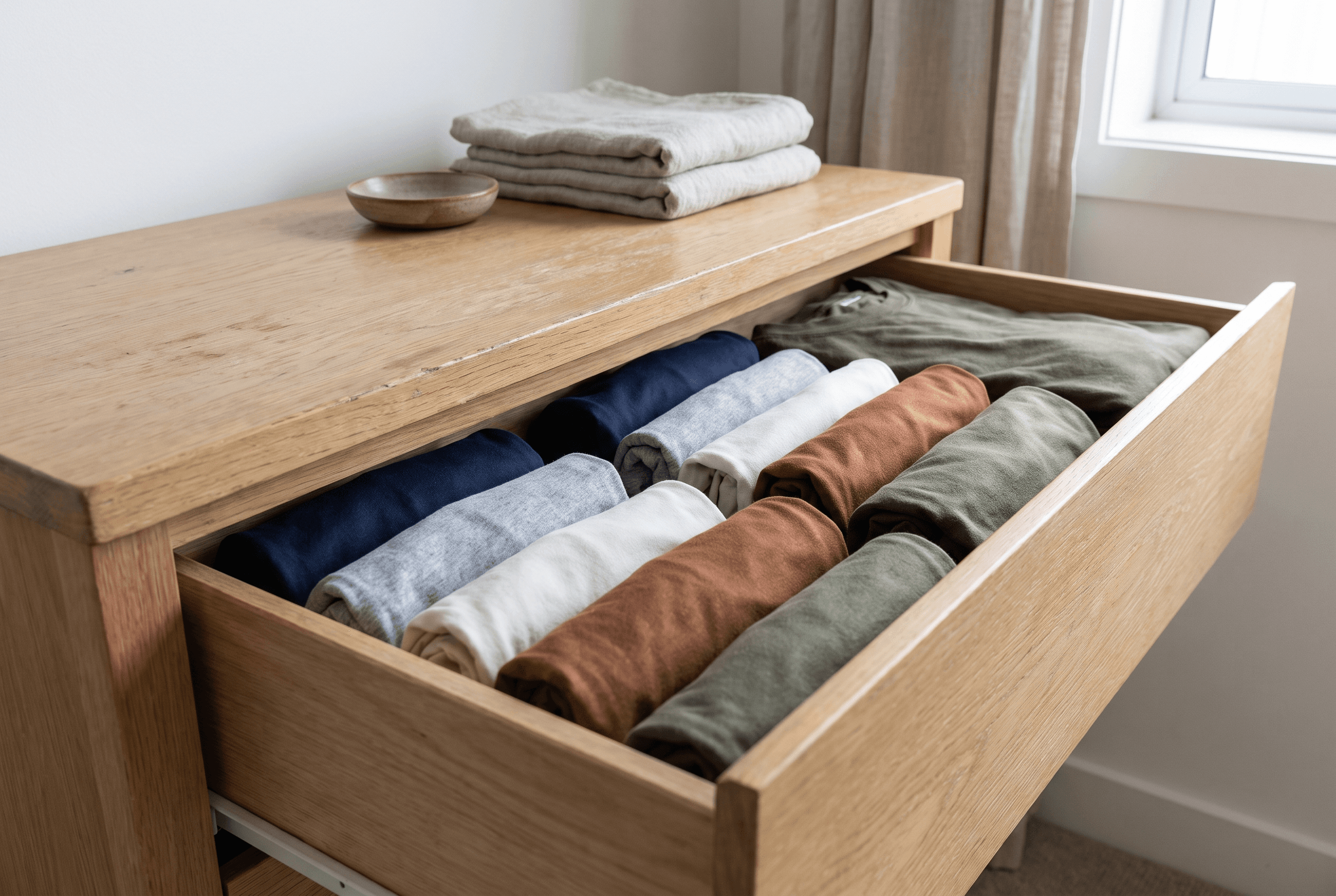
Getting dressed every morning can become easier when your wardrobe has some structure.
That might mean organizing clothing by type, keeping frequently worn items accessible, or creating a few reliable outfit combinations.
You don't need a capsule wardrobe. You simply need to make the clothes you actually wear easy to find.
Home Maintenance
Every home has recurring maintenance. Filters need replacing. Appliances need cleaning. Supplies run out. Small issues need attention before they become bigger ones.
A basic home-maintenance list can keep these things from living entirely in your memory.
Personal Finances
You don't need an elaborate budgeting system to have a better understanding of your money.
Start by knowing what comes in, what regularly goes out, and what you're trying to save for.
Then create a routine for checking those numbers.
A financial system doesn't need to be restrictive. It needs to make your decisions clearer.
The Best Systems Are Boring
That's actually the point.
A good everyday system shouldn't require constant enthusiasm.
You shouldn't have to convince yourself to follow it every time.
The more routine something becomes, the less mental energy it requires.
The Bottom Line
You don't need a productivity app for everything. You don't need a spreadsheet for every part of your life.
Sometimes a system is simply deciding:
- This is where this goes.
- This is when I do this.
- This is how I handle this.
Those small decisions can eliminate a surprising amount of everyday friction.