Field Notes
The Rules We Use to Keep Everyday Life From Getting Too Complicated
Life has a way of becoming complicated without anyone intentionally making it that way.
More subscriptions. More possessions. More commitments. More apps. More notifications. More decisions.
Eventually, even simple routines can require too much thought.
That's why having a few personal rules can be useful.
Not rigid rules. Simple defaults that help keep things manageable.
If It Takes Less Than Two Minutes, Do It Now
This is useful for small tasks.
- Put the cup away.
- Reply to a quick message.
- File the document.
- Throw something away.
Small tasks become annoying when they are repeatedly postponed.
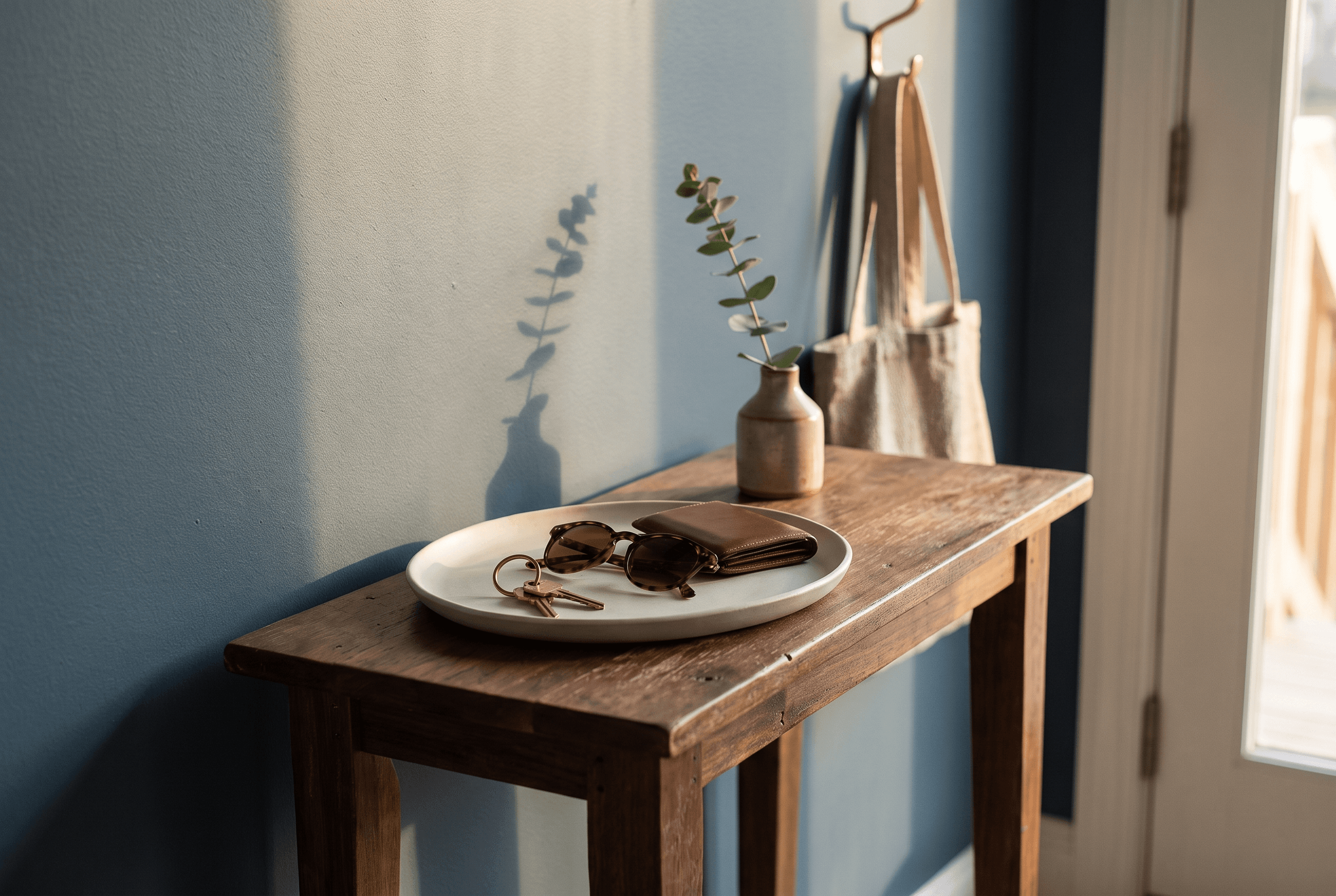
Everything Needs a Home
Not necessarily a perfect organizational system. Just a predictable place.
- Keys.
- Important documents.
- Chargers.
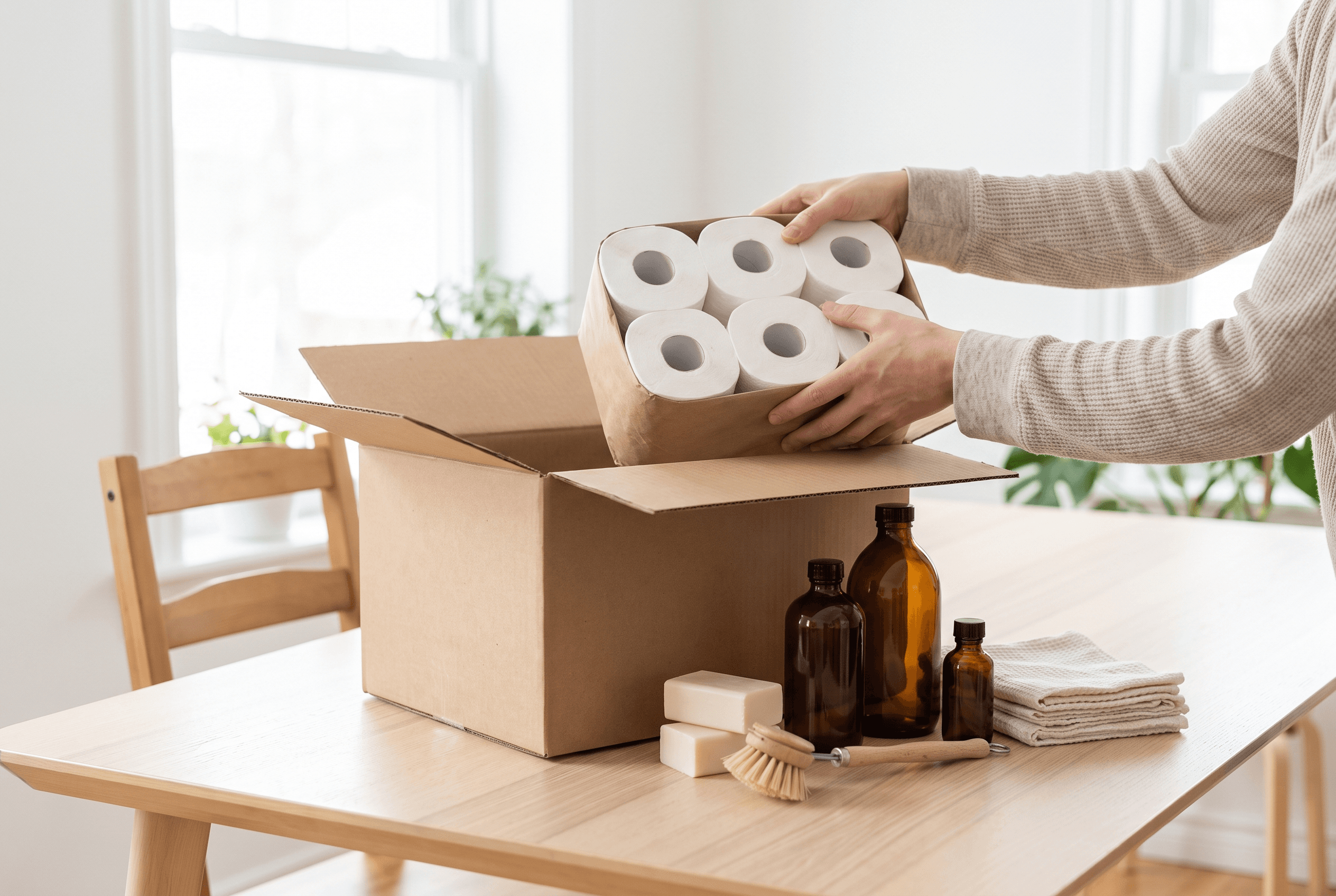
- Cleaning supplies.
When something has a home, putting it away becomes much easier.
Don’t Buy Storage Before You Need It
Buying storage containers can feel productive.
But sometimes you're simply creating more places to keep things you don't need.
Decide what needs to stay first. Then organize it.
Keep a Short List of Default Meals
When you don't know what to cook, you shouldn't have to start from zero.
Keep a handful of meals you know work. Use them when you're busy. Experiment when you have more time.
Review Before Adding
Before subscribing to another service, buying another gadget, or adding another commitment, look at what you already have.
Do you need the new thing? Or are you simply adding another layer?
Schedule What Matters
If something is important and time-specific, give it a place on the calendar.
Don't rely on remembering.
Have a “Good Enough” Standard
Not everything needs to be optimized. Some things only need to be completed.
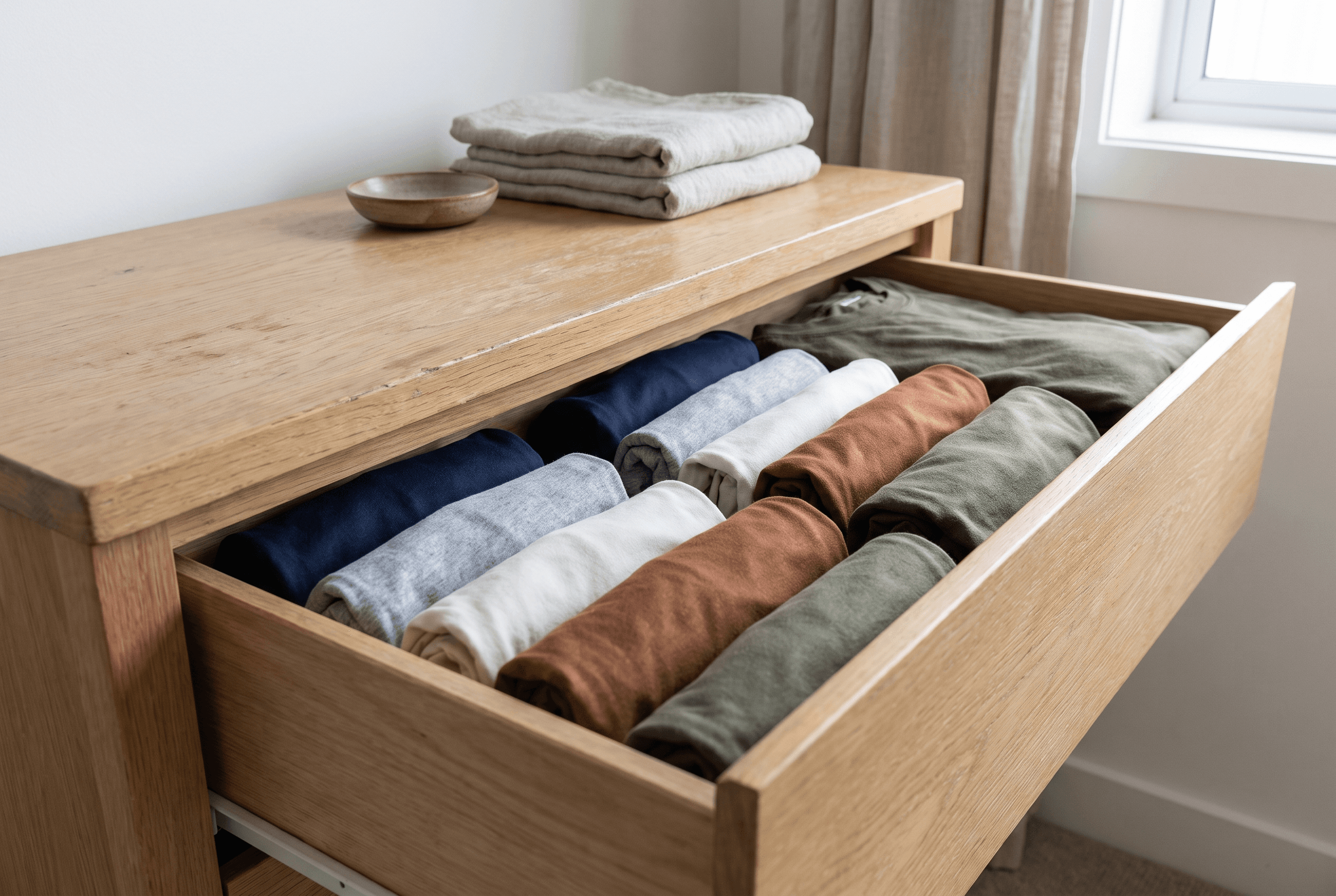
The perfect email doesn't need to take an hour. The perfectly organized drawer doesn't need to exist.
Sometimes finished is better than flawless.
Protect Some Empty Space
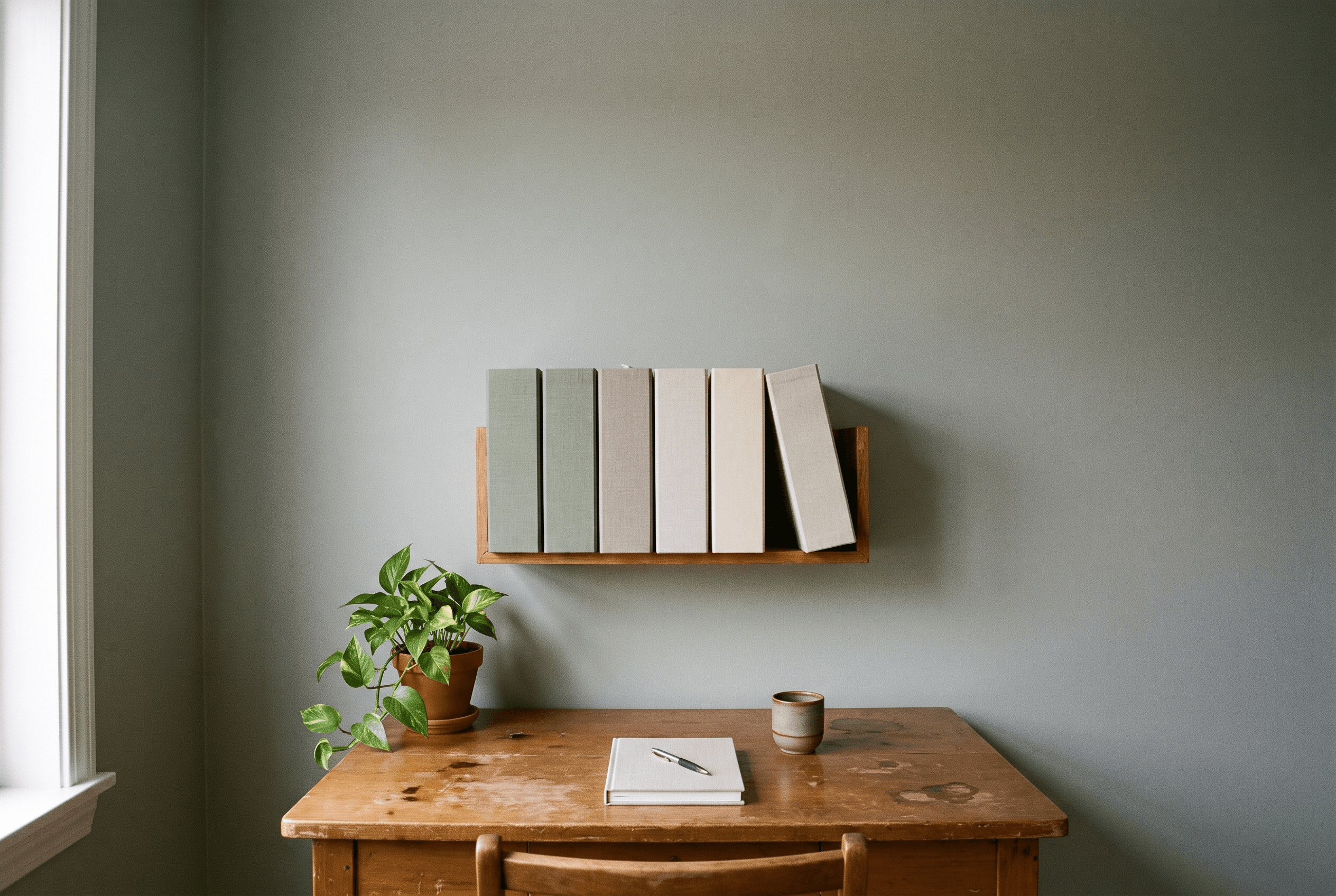
Don't fill every evening. Don't fill every weekend. Don't fill every shelf.
A little empty space gives you room to handle unexpected things.
Review Your Rules
Personal systems shouldn't become permanent just because you created them once.
If a rule isn't helping anymore, change it.
The point is to make life easier.
The Bottom Line
Simple rules aren't about controlling every part of your life.
They're about reducing the number of small decisions you have to make.
- Where does this go?
- When do I do this?
- Do I actually need this?
- What do I normally choose?
Answer those questions once, and you don't have to answer them from scratch every day.
That's the real value of a good default.